


Porcelain veneers offered by the team of expert dentist in Chelsea NYC, have revolutionized the field of cosmetic dentistry, offering a durable and natural-looking solution for individuals seeking to enhance their smile. Over the years, significant materials, techniques, and technology advancements have improved the design, fabrication, and placement of porcelain veneers.
This article explores the latest developments in porcelain veneers, their benefits, and what the future holds for this popular dental restoration.
Understanding porcelain veneers
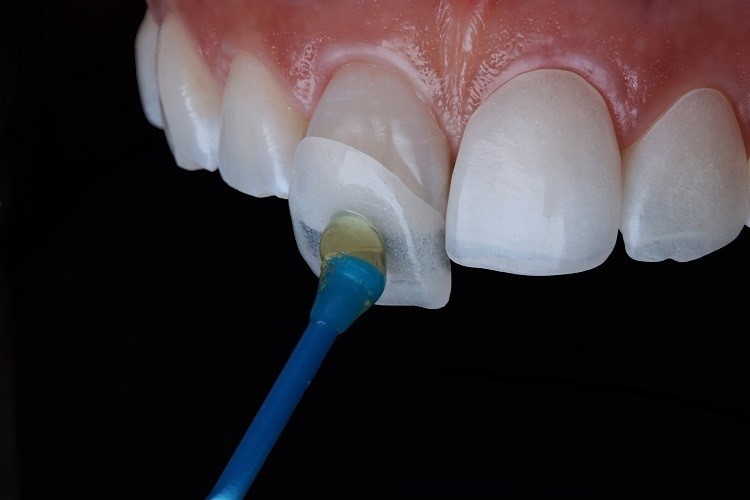
Porcelain veneers are thin, custom-made layers of porcelain ceramic material bonded to the front of teeth to improve their appearance, strength, and durability. These ultra-thin shells, typically ranging from 0.5 to 1.5 mm in thickness, are precision-crafted to mimic the natural shape, color, and translucency of surrounding teeth. By masking imperfections such as discoloration, chips, cracks, gaps, or misalignment, porcelain veneers create a radiant, uniform smile.
Porcelain veneers address various dental concerns:
- Discolored Teeth
- Chipped or Cracked Teeth
- Gaps or Spaces
- Misaligned Teeth
- Worn-Down Teeth
Evolution of porcelain veneers
Porcelain veneers were first introduced in the 1980s as a conservative alternative to crowns. Initially, veneers were made from feldspathic porcelain, which provided adequate aesthetics but lacked durability. The introduction of lithium disilicate and zirconia ceramics marked a significant improvement in veneer technology. These materials offered improved strength, translucency, and aesthetic appeal.
Advancements in porcelain veneers
Porcelain veneers have evolved over the recent decades and revolutionized smile designing through the following advancements:
Advances in Materials
Modern porcelain veneers boast advanced materials that mimic the natural appearance and durability of teeth. Some notable developments include:
- High-Strength Ceramics: Lithium disilicate and zirconia ceramics provide unparalleled strength and resistance to wear.
- Digital Ceramics: Computer-aided design and manufacturing (CAD/CAM) enable precise control over veneer fabrication.
- Nano-Ceramics: Nanotechnology enhances material properties, such as strength and translucency.
- Bioactive Materials: Research focuses on developing materials that promote tooth regeneration and bonding.
Advances in Techniques
Dental professionals have refined veneer placement techniques to ensure optimal results:
- Minimal Preparation: Conservative approach preserving natural tooth structure.
- No-Prep Veneers: No enamel removal is required, ideal for minor corrections.
- Digital Smile Design: Precise planning and simulation using computer software.
- Bonding Techniques: Enhanced adhesive strength ensures lasting results.
Advances in Technology
Technological innovations have streamlined the veneer fabrication and placement process:
- CAD/CAM: Computer-aided design and manufacturing enable precise veneer fabrication.
- 3D Printing: Rapid prototyping and model creation.
- Intraoral Scanning: Accurate digital impressions.
- Virtual Try-In: Simulation of veneer placement.
What are the benefits of porcelain veneers?
Porcelain veneers are versatile dental restorations that offer numerous benefits, including :
- Improved Aesthetics: Natural-looking results.
- Increased Durability: Long-lasting solution.
- Minimally Invasive: Preserves natural tooth structure.
- Customization: Personalized smile design.
- Stain Resistance: Maintains appearance over time.
What is the future scope of porcelain veneers in dentistry?
Ongoing research and innovation will continue to enhance porcelain veneer technology:
- Nanotechnology: Further improvements in material properties.
- Bioactive Materials: Promoting tooth regeneration.
- Digital Dentistry Integration: Seamless workflow.
- Advanced Imaging: Improved diagnosis and planning.
Bottom line
The advancements in porcelain veneers have revolutionized the field of cosmetic dentistry, offering unparalleled aesthetic and functional results. From enhanced material properties to innovative digital workflows, these advancements have significantly improved the design, fabrication, and placement of veneers. With continued research and development, porcelain veneers will remain at the forefront of smile transformation, providing durable, natural-looking solutions for individuals seeking to enhance their smiles. As technology integrates further with dentistry, the future of porcelain veneers holds promise for even more precise, minimally invasive, and affordable treatments. Ultimately, the synergy of art, science, and technology in porcelain veneers has redefined the standard of care in cosmetic dentistry, empowering dental professionals to create breathtaking smiles that transcend aesthetics, restoring confidence and transforming lives.
