


Herbal medicine has been practiced for centuries across different cultures and regions. Two prominent approaches to herbal medicine are Western and Eastern philosophies. While both share the goal of promoting health and well-being through natural remedies, there are distinct differences in their philosophies and methodologies. In this article, we will explore and compare the key aspects of Western and Eastern herbal medicine.
Western Herbal Medicine
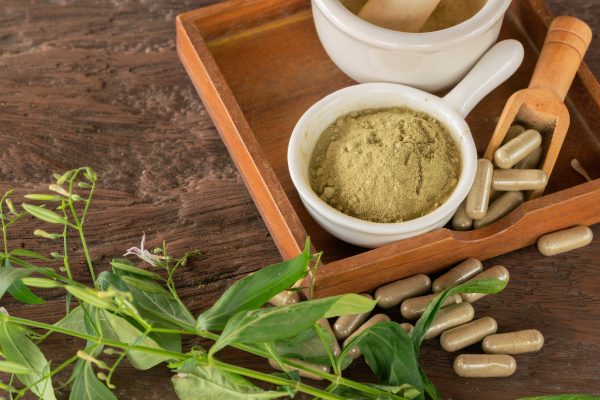
Western herbal medicine, also known as phytotherapy, is based on a reductionist approach that focuses on identifying and isolating specific active compounds within plants. It draws heavily from scientific research and employs a more standardized approach to herbal treatments.
- Philosophy: Western herbal medicine emphasizes the use of individual herbs to target specific symptoms or conditions. It aims to alleviate symptoms or promote healing through the targeted action of active compounds.
- Diagnostic Process: Western herbalists often rely on a symptom-based approach, where herbs are selected based on the specific symptoms presented by the patient.
- Herb Selection: Western herbalists often use single herbs or combinations of herbs with known pharmacological properties. They focus on dosage, potency, and safety considerations.
- Scientific Validation: Western herbal medicine places importance on scientific research and clinical trials to validate the efficacy and safety of herbal remedies.
Eastern Herbal Medicine

Eastern herbal medicine encompasses various traditional systems, including Traditional Chinese Medicine (TCM) and Ayurveda. It follows a holistic approach that considers the interconnectedness of the body, mind, and spirit. Eastern herbal medicine aims to restore balance and harmony within the body to promote overall health.
- Philosophy: Eastern herbal medicine focuses on the concept of energy flow or Qi (pronounced “chee”) and the balance of Yin and Yang. It aims to identify and address the underlying imbalances that lead to disease or discomfort.
- Diagnostic Process: Eastern herbalists evaluate the patient’s overall constitution, including physical, emotional, and energetic aspects. They consider the pulse, tongue, and other diagnostic tools to assess the patient’s condition.
- Herb Selection: Eastern herbalists often use complex herbal formulas that combine multiple herbs to create a synergistic effect. The selection of herbs is based on their energetic properties and their ability to restore balance within the body.
- Empirical Experience: Eastern herbal medicine relies on centuries of empirical experience and observation to determine the efficacy of herbal remedies. The emphasis is on the overall effect on the body rather than isolated active compounds.
While Western and Eastern herbal medicine share the common goal of utilizing herbs for healing, they differ in their underlying philosophies and approaches. Western herbal medicine focuses on specific active compounds and scientific validation, while Eastern herbal medicine takes a holistic approach by considering the overall balance and energy flow within the body.
Both Western and Eastern herbal medicine have their strengths and can complement each other in providing comprehensive healthcare. It is essential to consult with trained practitioners in either approach to ensure safe and effective herbal treatments.
