

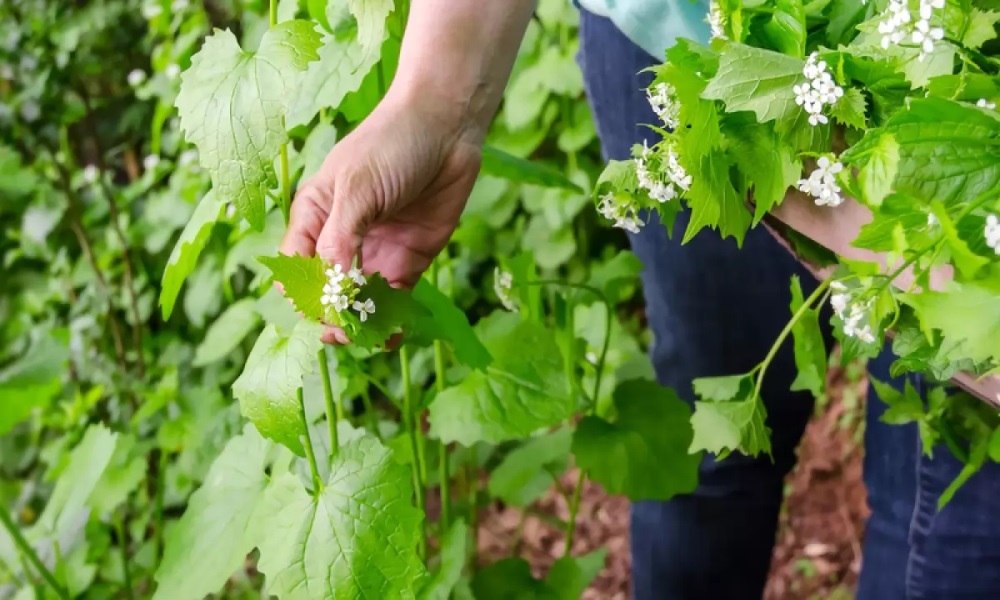
Medicinal plants play a vital role in traditional medicine systems and contribute to the well-being of millions of people worldwide. However, due to various factors such as deforestation, habitat destruction, climate change, and overexploitation, many medicinal plants are facing the threat of extinction. To safeguard these valuable resources for future generations, conservation efforts are crucial.
1. Awareness and Education
Creating awareness among local communities, researchers, and policymakers about the importance of conserving medicinal plants is the first step towards effective conservation. Educational programs can be designed to highlight the ecological significance, medicinal properties, and potential economic benefits of these plants.
2. Protected Areas
Establishing protected areas like national parks, sanctuaries, and botanical gardens can provide a safe haven for endangered medicinal plants. These areas help preserve the natural habitats and ensure the survival of various plant species by prohibiting activities such as logging, hunting, and habitat destruction.
3. Sustainable Harvesting Practices
Implementing sustainable harvesting practices is essential to prevent overexploitation of medicinal plants. This includes regulating the collection of plant parts, promoting cultivation and propagation techniques, and encouraging the use of alternatives to wild harvesting such as plantations and community gardens.
4. Research and Monitoring
Continued research and monitoring are crucial for understanding the population dynamics, distribution patterns, and ecological requirements of endangered medicinal plants. This information helps in developing effective conservation strategies and identifying priority areas for conservation efforts.
5. Collaboration and Partnerships
Collaboration between governments, non-governmental organizations, researchers, local communities, and indigenous groups is essential for implementing successful conservation efforts. By pooling resources, knowledge, and expertise, these partnerships can contribute to the long-term preservation of medicinal plants.
6. Seed Banks and Ex-situ Conservation
Establishing seed banks and ex-situ conservation facilities can act as an insurance policy against the extinction of medicinal plants. These repositories store seeds and plant tissues under controlled conditions, ensuring the availability of genetic material for future research, restoration, and reintroduction programs.
7. Policy and Legal Frameworks
Developing and enforcing policies and legal frameworks that protect medicinal plants and their habitats is crucial. This includes regulating trade and commerce, implementing sustainable development practices, and incorporating traditional knowledge into conservation strategies.
8. Community Participation
Involving local communities in conservation initiatives is vital for the long-term success of efforts to protect medicinal plants. By engaging communities in sustainable livelihood projects, training programs, and income generation activities related to medicinal plants, their dependence on destructive practices can be reduced.
Conservation efforts for medicinal plants facing extinction are of utmost importance to preserve the rich biodiversity and cultural heritage associated with traditional medicine systems. By raising awareness, establishing protected areas, implementing sustainable practices, conducting research, fostering collaboration, creating seed banks, enacting policies, and involving local communities, we can ensure the survival of these invaluable resources for future generations.
